What’s actually running in my home lab and how I built it all for under $70. From K3s clusters on VMs to self-hosted services with proper HTTPS - a complete walkthrough of my personal infrastructure.
What’s Inside My Home Lab?

Disks, SSDs, NVMe, object storage, and the layers in between — throughput, durability, and the question of where data actually lives.
What’s actually running in my home lab and how I built it all for under $70. From K3s clusters on VMs to self-hosted services with proper HTTPS - a complete walkthrough of my personal infrastructure.
In-memory caching and in-memory data storage are both techniques used to improve the performance of applications by storing frequently accessed data in memory. However, they differ in their approach and purpose.
HomeLabs can be expensive when it comes to energy costs. It’s easy to accumulate multiple power-hungry servers, networking equipment, and computers.
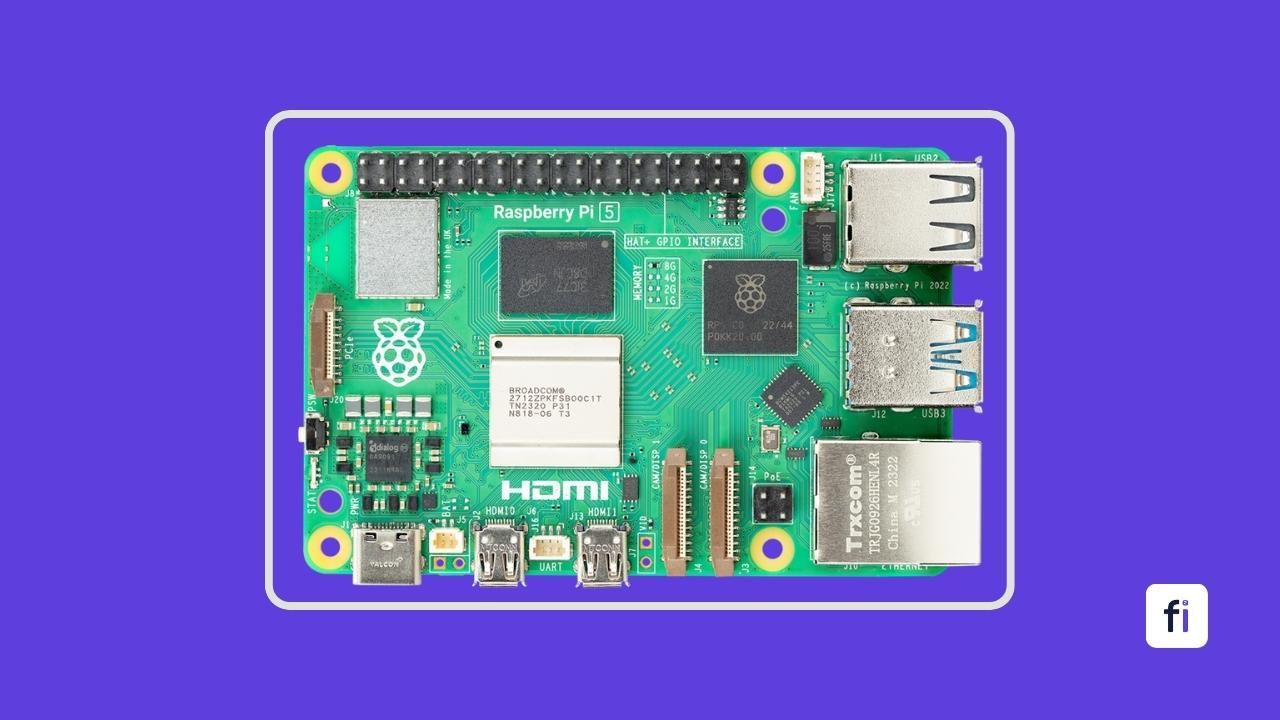
The Raspberry Pi 5 is fast. Over 2.5 times faster than the Pi 4. It’s the size of a credit card, and it starts at $60 for a 4GB version, 8GB is $80.
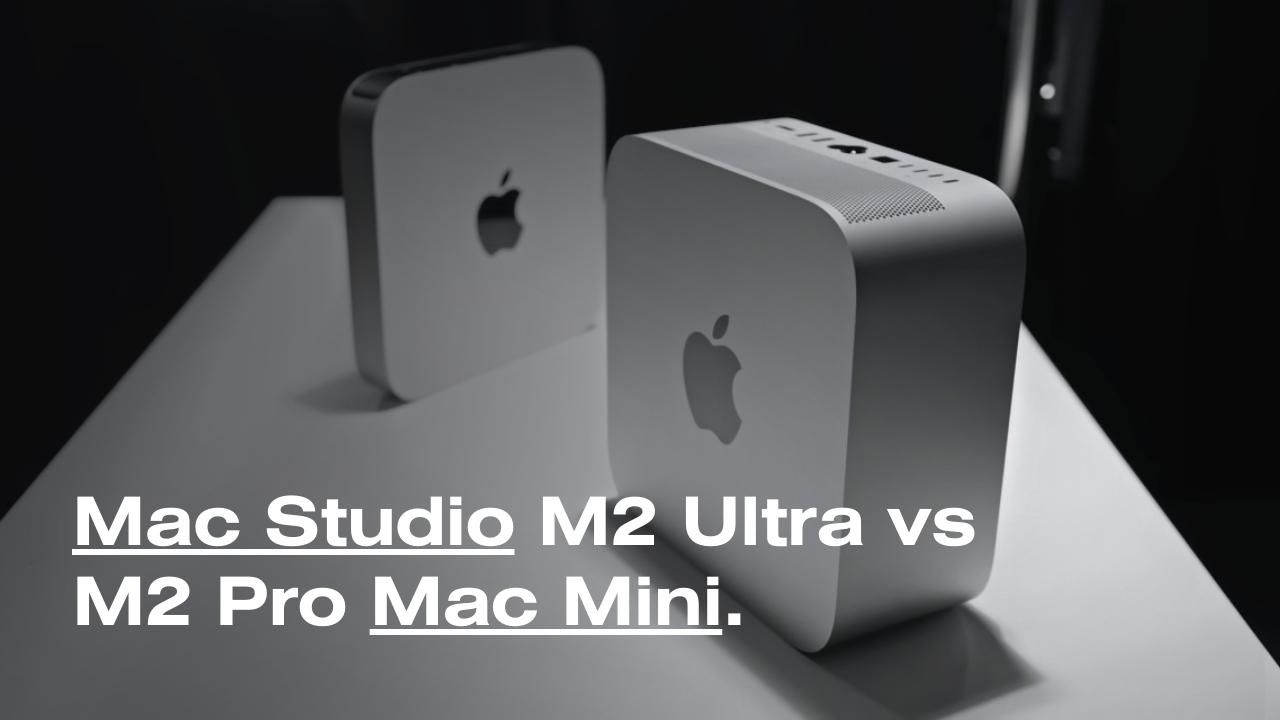
The Mac Studio M2 Ultra costs $7,000 more than M2 Pro Mac Mini with similar specs. It’s designed for the best performance and features, right?